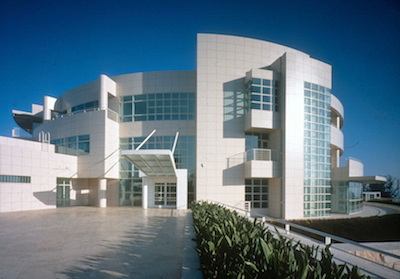
http://www.getty.edu/research/tools/index.html
Includes access to the digital collections, Getty Research Portal, tools, and databases.
http://www.getty.edu/research/tools/index.html
Includes access to the digital collections, Getty Research Portal, tools, and databases.
https://arcade.nyarc.org/search~S7
Detailed historical documentation for works of art, including basic information about the artist, title, medium, dimensions, date, and owner of the work, former attributions, provenance, variant titles, records of exhibition and condition history, and biographical information about portrait subjects from the Frick Art Reference Library and its partners in the New York Art Resources Consortium (NYARC) accessible in the Photoarchive’s research database records via NYARC’s online catalogue Arcade.
http://www.fondazionezeri.unibo.it/en
In 1998 the art historian Federico Zeri donated to the University of Bologna his huge collection of art photos (290,000 images). The main core of this photo archive, the Italian Painting section, is now in the online database. Users can consult the catalogue and search by location of the art work as well as by author, subject, date, and technique of photography.
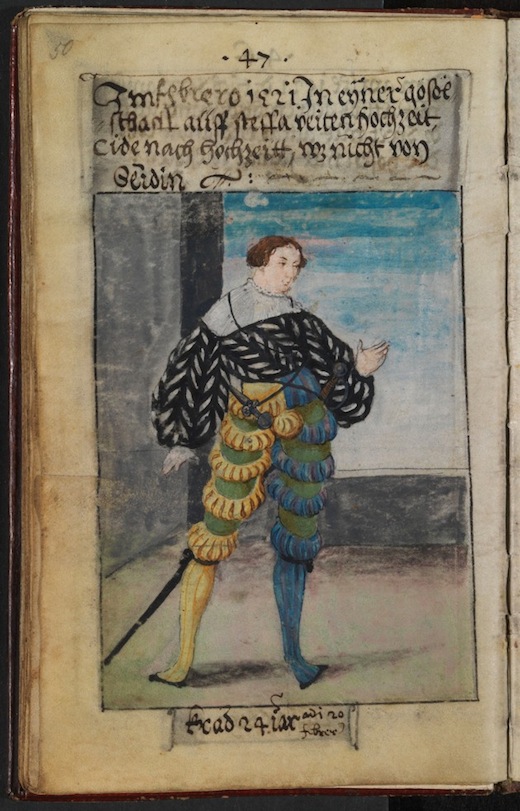
https://www.cam.ac.uk/research/features/the-first-book-of-fashion
A film about the collaboration between Cambridge historian Ulinka Rublack and award-winning dress historian Jenny Tiramani to reconstruct the dress worn by a Fugger head accountant in 1530.
https://www.luc.edu/media/lucedu/history/pdfs/Incipit_Catalogue.pdf
The database, in PDF form, contains manuscript and printed copies of funeral orations and a few other orations. It is arranged alphabetically by incipit.
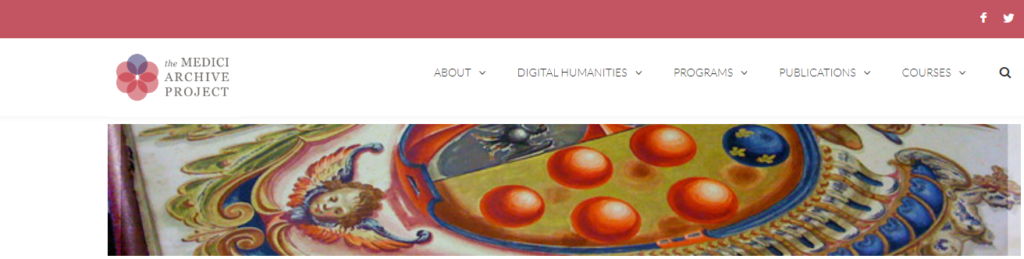
The Medici Archive Project began as an electronic database of letters and other documents in the Medici Granducal Archival Collection and has evolved into a research institute supporting digital projects and offering seminars and fellowships.
MAP’s online collection, BIA provides access to an unparalleled range of digitized early modern material. The material comprises over 24,000 transcribed documentary records, 18,000 biographical entries, 87,000 geographical and topographical tags, and over 300,000 digitized images from 292 volumes of the Mediceo del Principato. Aside from providing a faster and more user-friendly interface for document entry, BIA has enabled scholars from all over the world, not only to view digitized images of archival documents, but also to enter transcriptions, provide scholarly feedback, and exchange comments in designated forums, all within BIA’s academic community of over 2400 international scholars, students, and enthusiasts who daily engage with one another, with the ever-increasing number of uploaded digitized documents, and with the staff and fellows of the Medici Archive Project.
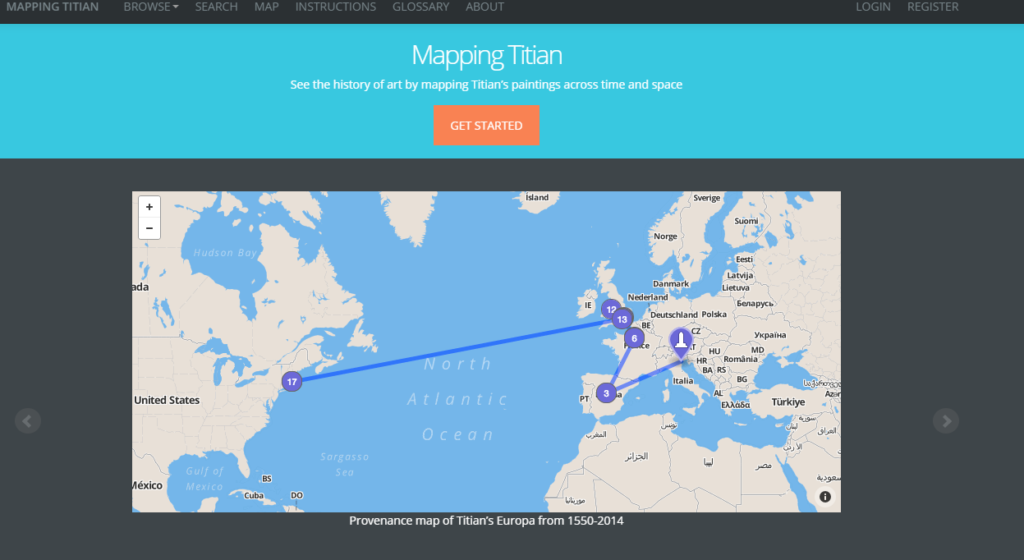
Mapping Titian allows users to visualize one of the most fundamental concerns of the discipline of Art History: the interrelationship between an artwork and its changing historical context. Focusing on the paintings executed by the Venetian Renaissance artist, Titian (ca. 1488-1576), this site offers a searchable provenance index of his attributed pictures and allows users to create customizable collections of paintings and customizable maps that show the movement of the pictures over time and space with the application of various filters.
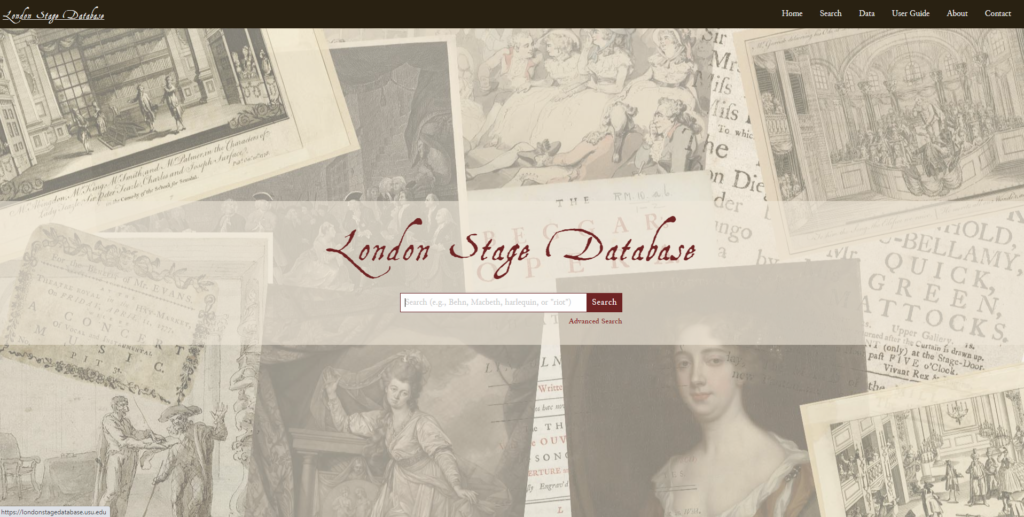
The London Stage Database is the latest in a long line of projects that aim to capture and present the rich array of information available on the theatrical culture of London, from the reopening of the public playhouses following the English civil wars in 1660 to the end of the eighteenth century. On a given night, in each of the city’s playhouses, hundreds or even thousands of spectators gathered to experience richly varied performance events that included not only plays, but prologues and epilogues, short afterpieces and farces, pantomimes, instrumental music, singing, and dancing. These events, taken together, provide a wealth of information about the rhythms of public life and the texture of popular culture in long-eighteenth-century London.
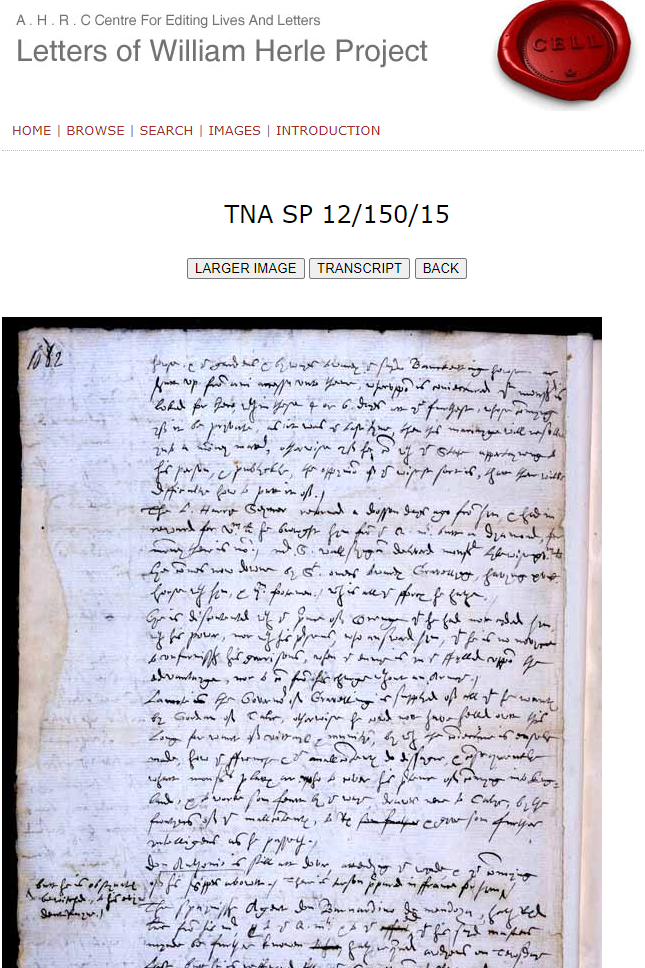
The letters of William Herle, intelligencer and diplomat for the Elizabethan court, offer a unique resource for Early Modern studies. Written over the period 1559-88, William Herle’s previously unedited, unpublished, and overlooked letters are richly textured. They offer a fascinating insight into the information networks and patronage systems of the political administration, as well as valuable material for religious, social, economic and cultural history. This online edition of his letters has been designed as a hypertext archive in order to maximize the ability to access and retrieve information from the corpus.
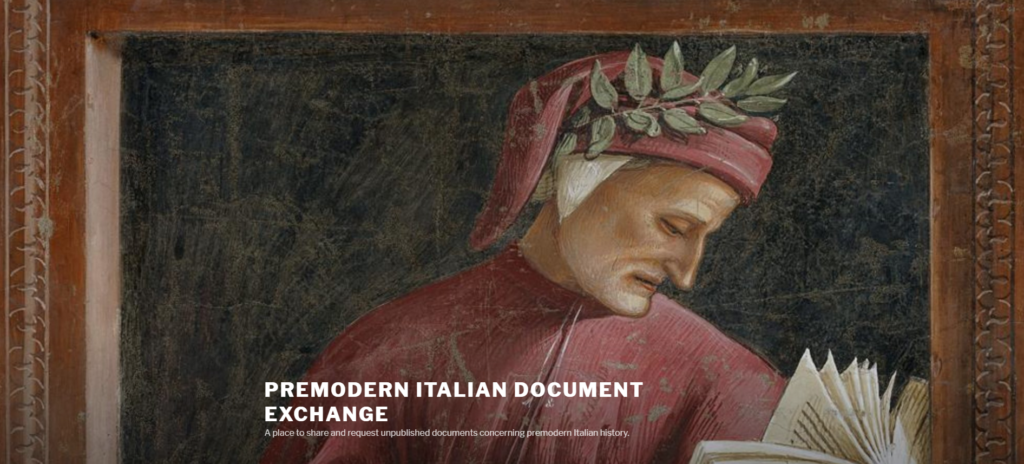
The COVID-19 pandemic has forced scholars to rethink how we access unpublished archival sources and conduct research. It is our hope that PIDE will help connect researchers with the sources they need to complete their ongoing projects, especially in light of reduced research budgets, greater travel restrictions, and more limited access to Italian archives and libraries. It is also our hope that PIDE will help to sustain and grow an already vibrant scholarly community working to expand our understanding of premodern Italy.