
A digital memorial of the slave trade that includes maps, timelines, several databases with visualization and statistics, teaching resources, and multi-media essays.
A digital memorial of the slave trade that includes maps, timelines, several databases with visualization and statistics, teaching resources, and multi-media essays.
A Social Edition of the Devonshire MS (BL Add. MS 17492)

The social edition is a work that brings communities together to engage in conversation around a text formed and reformed through an ongoing, iterative, public editorial process. A verse miscellany belonging to the 1530s and early 1540s.
Teaching La Princesse de Clèves: A Web-Based Approach to a Seventeenth-Century Text
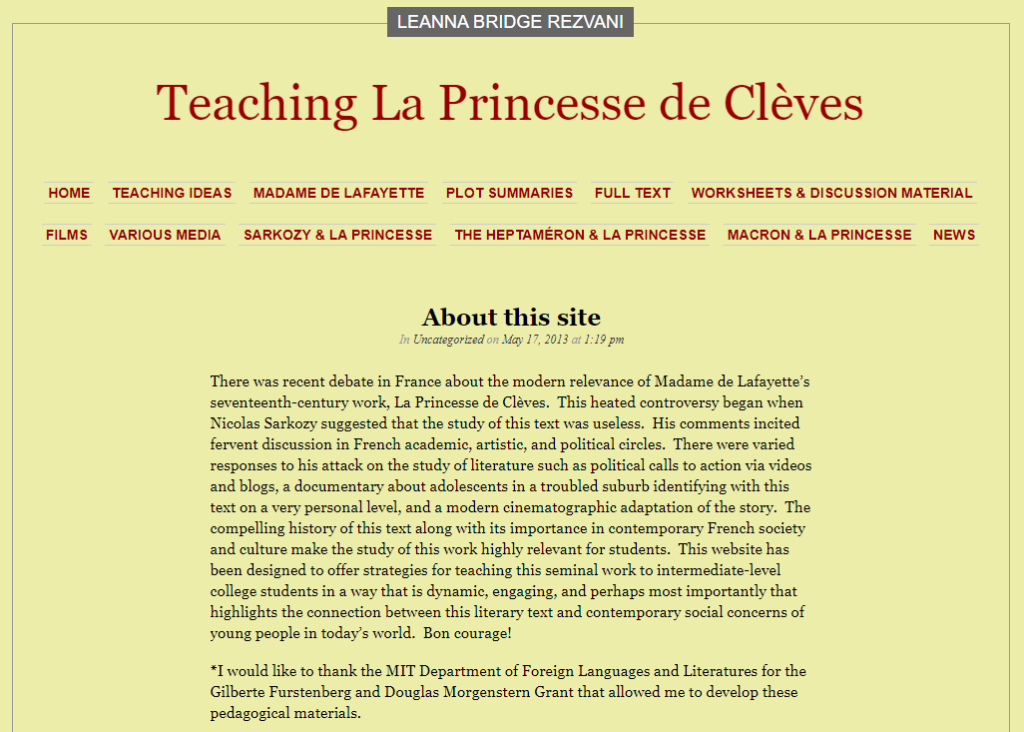
A website designed for exploring La Princesse de Clèves with undergraduates, including teaching ideas, worksheets and discussion materials, and a list of film adaptations.
Teaching Marguerite de Navarre’s Heptaméron

A site designed to help introduce undergraduates to Marguerite de Navarre’s Heptaméron.
Travels of the Lute: A Digital Humanities Resource for Teaching and Learning World History
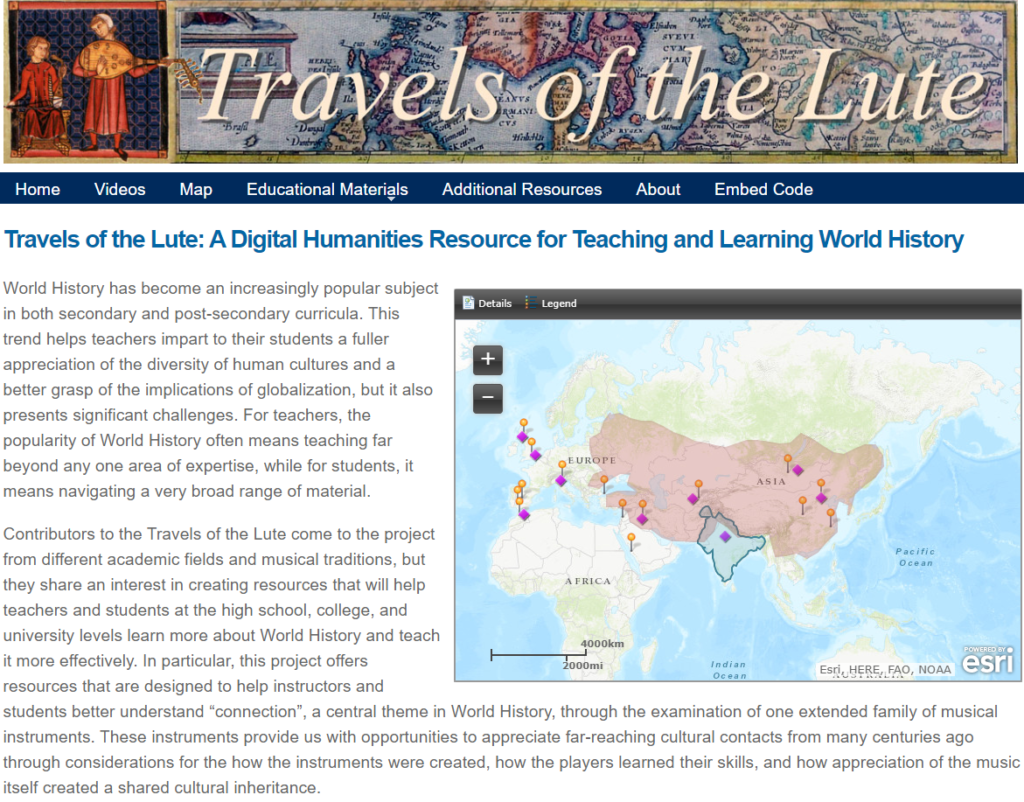
This website provides teaching and learning resources for the study of medieval and early modern world history at the elementary and secondary levels. Hosted by the University of Toronto Library and freely available to all, it features a series of videos in which players of the oud, lute, and sarod perform music and discuss the histories of their instruments; an interactive GIS mapping tool; teaching materials for a range of courses and levels; and links to additional resources.
A Digital Anthology of Early Modern English Drama
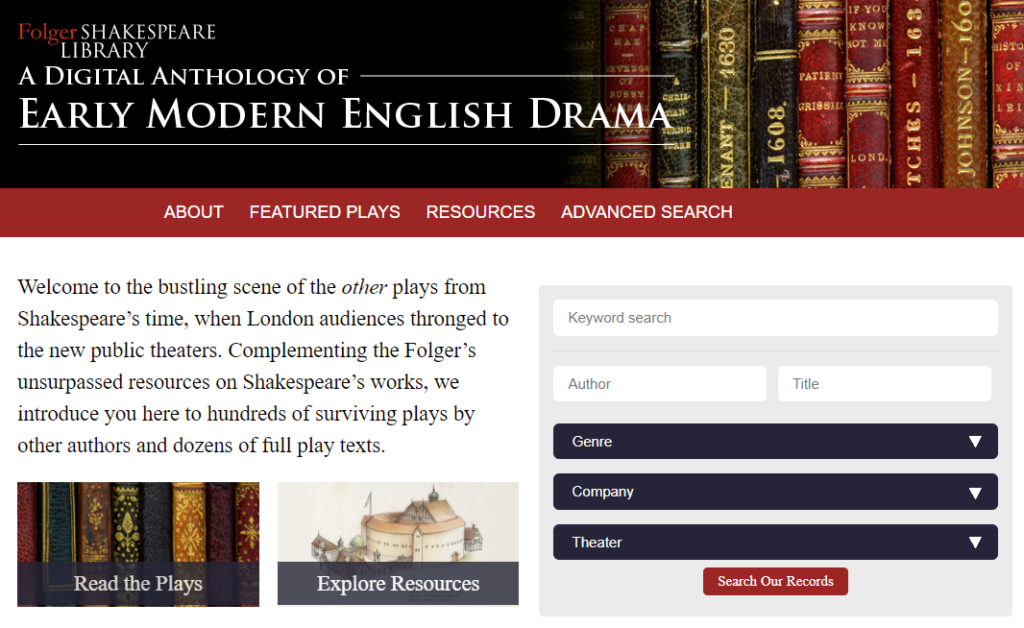
Complementing the Folger’s unsurpassed resources on Shakespeare’s works, this website offers an introduction to hundreds of surviving plays by other authors and dozens of full play texts.
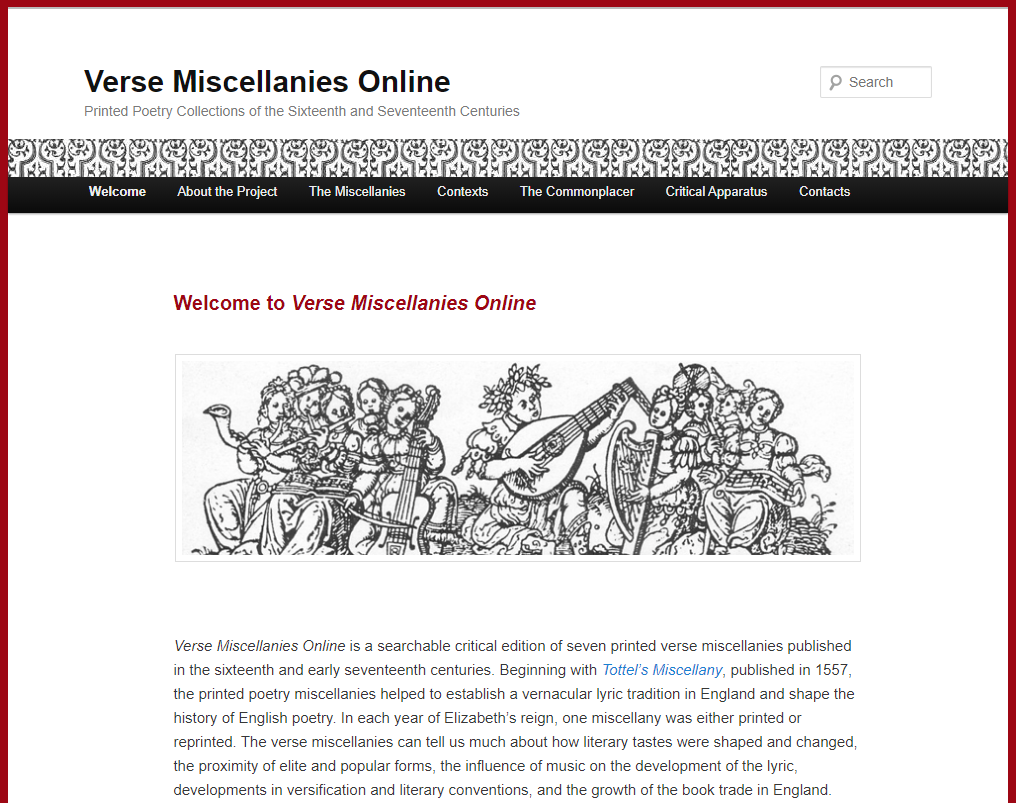
Verse Miscellanies Online is a searchable critical edition of seven printed verse miscellanies published in the sixteenth and early seventeenth centuries.
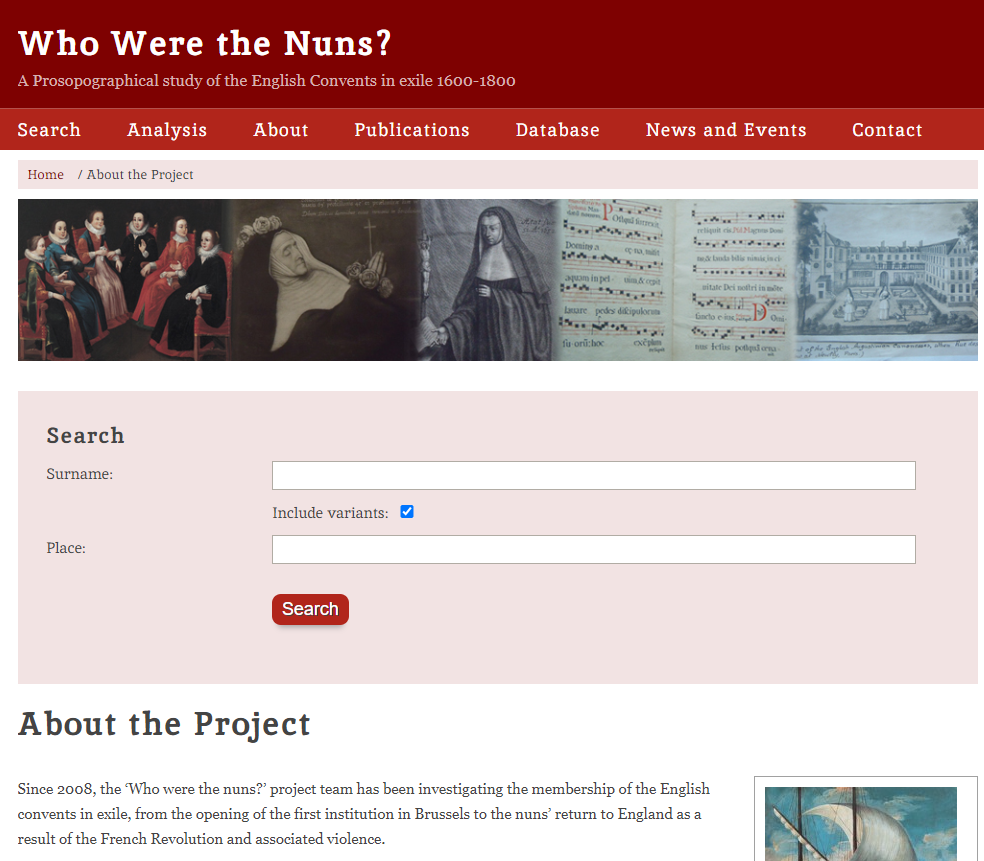
A prosopographical study of the English Convents in exile 1600-1800. On the website you will find a database of the membership, family trees, edited documents, maps and analysis of the nuns’ experiences.
The Workdiaries of Robert Boyle
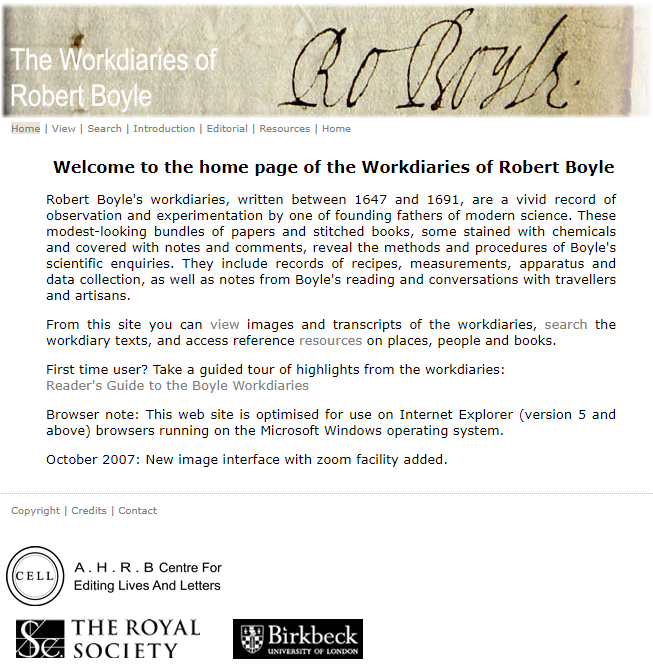
Robert Boyle’s workdiaries, written between 1647 and 1691, are a vivid record of observation and experimentation by one of founding fathers of modern science. These modest-looking bundles of papers and stitched books, some stained with chemicals and covered with notes and comments, reveal the methods and procedures of Boyle’s scientific enquiries. They include records of recipes, measurements, apparatus and data collection, as well as notes from Boyle’s reading and conversations with travelers and artisans. From this site you can view images and transcripts of the workdiaries, search the workdiary texts, and access reference resources on places, people and books.
